
Let’s be real, putting together a wedding guest list is one of the hardest parts of wedding planning. You want everyone you love there, but then you start counting heads and realize… there’s no way that’s happening. Between family politics, budget limits, and your venue’s capacity, something’s gotta give.
When I started planning my guest list, I thought it would be simple. It wasn’t. There are so many people you want to invite (or not), and you also need to add your parents’ friends, and family. If you have a tight budget and a big family, this is where things start to get complicated. To do the list, we used a Google Sheet because it was just more flexible.
In this guide, I’ll walk you through how to actually make your guest list, from where to start, how to narrow it down without the guilt, what tools actually work, and how to handle those awkward “who made the cut” conversations. It’s based on tons of real wedding experiences and advice from couples who’ve been through it.
By the end, you’ll have a clear system to figure out who’s in, who’s out, and how to keep your sanity in the process.
How to Start
The best way to start your guest list is to write down everyone who comes to mind, family, friends, coworkers, distant relatives, all of them. Don’t worry about numbers yet, this is just your brainstorm stage. Once you’ve got your list, start breaking it into tiers.
Here’s a simple way to do it:
- Tier 1: Immediate family and best friends, the people you couldn’t imagine not being there.
- Tier 2: Close relatives (aunts, uncles, first cousins) and close friends.
- Tier 3: Friends, extended relatives, and plus-ones you actually know.
- Tier 4: Acquaintances, old coworkers, or distant cousins you haven’t seen in years.
This “tier method” makes cutting easier later. Instead of stressing over every single name, you’ll already know who’s essential and who’s more of a maybe.
What to Include In Your Google Sheet?
When you build your guest list sheet, keep it simple but detailed enough to save you headaches later. Start with columns for full names, addresses, and household groupings (so couples and families stay together). Add columns for RSVP status, meal choices, and dietary restrictions, trust me, this part gets messy if you don’t track it. It’s also smart to include one for plus-ones, save-the-date sent, and invite sent so you don’t forget who got what. Some couples even add tabs for song requests, hotel info, thank-you notes sent, or gifts after the wedding.
Should you get one of those fancy Etsy templates? Honestly, most couples I talked to said they tried using Etsy templates but ended up sticking with a simple Google Sheet because it’s easier to share, color-code, and update with family or your planner in real time.
How to Narrow Down Your Wedding Guest List – Best Tips and Things to Consider
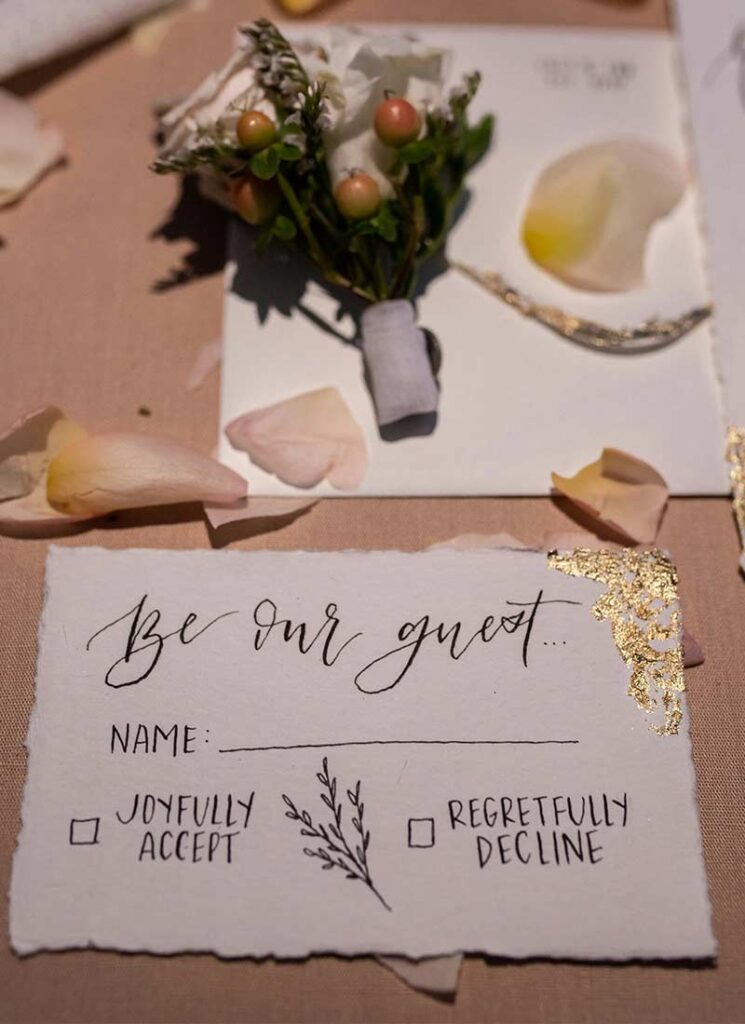
When it’s time to cut down your guest list, things can get tricky, especially if you’ve got a big family or your partner’s side is way larger than yours. The best way to start is by setting clear rules together. Ask yourselves – Have we seen or talked to this person in the last few years? Would we grab dinner with them if they lived nearby? Would we genuinely miss them if they weren’t there? If the answer’s no, they probably don’t make the final cut.
A lot of couples use the tier method I shared earlier – keep your non-negotiables (immediate family and best friends) at the top, then work your way down through extended family, casual friends, and acquaintances. If your venue can only fit 100, start cutting from the bottom tiers. And don’t forget that not all the guests you’ll invite will actually come to the wedding.
How Many People Will Really Come to Your Wedding?
Here’s the thing, your guest list might look great on paper until you factor in your venue size and budget. A good rule of thumb is to expect around 70–80% attendance for local weddings and 50–60% if it’s a destination wedding.
If your venue holds 150 guests, it’s usually safe to invite about 180 to allow for some declines. Just don’t push it, the last thing you want is scrambling for extra chairs or paying for plates you don’t have room for.
Balancing Both Sides of the Family
If both families are pitching in financially, it’s totally fair to give each side a proportional number of invites, but keep it based on contribution or relationship type, not just strict headcount. What really matters is that the people there actually mean something to you both. Don’t get caught up trying to make the list perfectly even, one partner might just have a bigger family, and that’s okay. The goal isn’t “equal math,” it’s creating a room full of people who love and support you.
Honestly, many couples said that once they stopped obsessing over the numbers, the planning got a lot easier. Smaller guest lists often lead to more personal, relaxed weddings and way less stress about seating charts and family politics.
Cut Smart, Not Guilty
For most couples, trimming the guest list isn’t about logistics, it’s about guilt. But here’s what actually works and can help you narrow the list:
- Only invite people you’ve seen or spoken to in the last year or two.
- Ask yourself – Would we grab dinner with this person if they were in town?
- If they wouldn’t invite you to their wedding, you probably don’t need to invite them to yours.
- Skip obligation invites (like parents’ coworkers or distant relatives you barely know). Sometimes parents can be demanding, especially when they’re helping pay for the wedding. Try to share the costs fairly, but remember, it’s your day. You and your partner get to decide how you want it to look and feel.
- Don’t feel bad about saying no to plus-ones unless someone’s in a serious relationship, just be clear and kind when explaining it.
You’ll end up with a guest list that feels intentional and full of people who genuinely matter to you.
Communicate Early
If you’re keeping your wedding small or planning a destination event, just be honest about it early on. It makes things way easier later. You can say something simple like, “We’d love to celebrate with everyone, but our venue only fits 60 people, so we’re keeping it really small.”
Most people totally get it once they know the reason. Some couples even sent little notes or hosted a laid-back party after the wedding for friends and family who couldn’t come, it’s such a sweet way to include everyone without the stress.
Create the “B List”
Once you start sending invitations and RSVPs roll in, you’ll also get a few declines and that’s when your “B list” comes in handy. This list includes people you’d love to invite if space opens up. Just make sure to send those invitations out early enough, usually about two to three weeks after your first batch of RSVPs come in.So it still feels natural and not like a last-minute add-on.
Destination Wedding Strategy
If you’re planning a destination wedding, your guest list will probably shrink on its own and that’s actually a good thing. Start by inviting your closest family and friends first, then see who’s able to make the trip. Travel costs and logistics will naturally filter your list without any awkward conversations.
A lot of couples mentioned hosting a casual celebration or backyard party back home after the wedding for everyone who couldn’t attend, it’s a nice way to include everyone without stretching your budget or guest count.
When Should You Send Your Invites
Once your guest list is set, aim to send save-the-dates about 3-6 months before the wedding (and earlier if it’s a destination wedding – 9-12 months). Formal invitations usually go out around 8–10 weeks before the big day. That gives guests enough time to make travel plans and RSVP. If you’re using a B-list, wait until a few weeks after the first round of RSVPs come in before sending those out, that way, it still feels natural and no one realizes they were added later.
What Are the Best Tools to Manage Your Wedding Guest List
Google Sheets is a clear winner to start with. Once your list is ready, you’ll want to move it to a platform that handles sending and tracking invites. Many venues already work with one (it’s often included in the booking price). If not, here are a few tools you might find helpful.
- Zola – lets you group families/couples and track RSVPs online.
- The Knot – good for digital invites and RSVP management.
- RSVPify – useful if you’re handling seating charts or multiple events.
- Trello – works well for task-based tracking (not guest-specific, but great for visual planners).
Final Thoughts
Making your wedding guest list can feel like solving a giant puzzle, but once you break it down, it’s really just about keeping the people who matter most close. Use tools that make your life easier (Google Sheets is a lifesaver), stay realistic about your numbers, and don’t stress over making everyone happy. Every couple ends up cutting a few names, that’s totally normal. The goal isn’t to invite everyone you’ve ever known, it’s to fill the room with love, laughter, and the people who genuinely want to celebrate with you.